
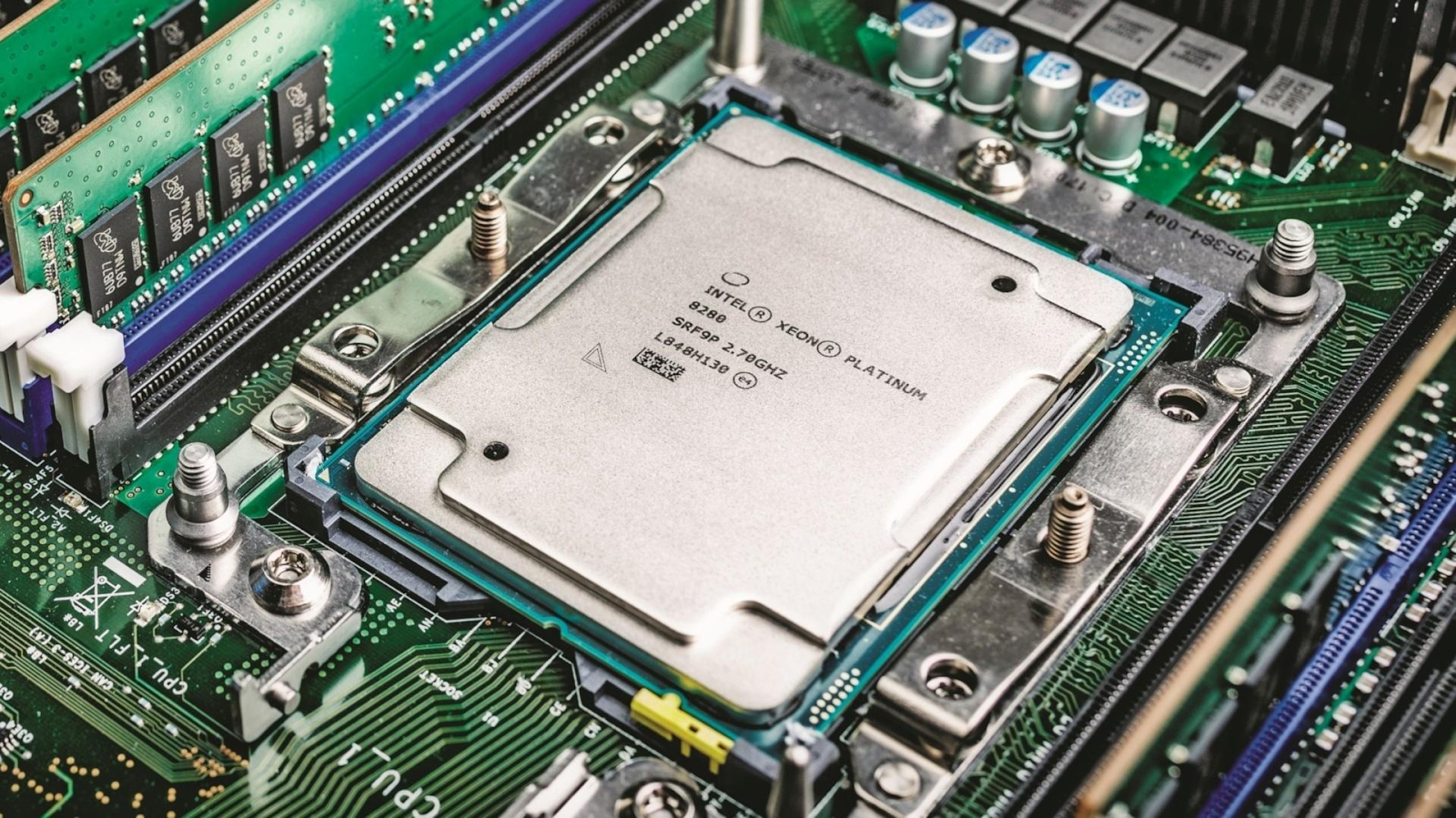
How Intel CPU-Based Servers Improve System Performance
System performance is no longer measured only by raw speed. For business owners and decision-makers, it reflects how reliably applications run, how quickly data is processed, and how well infrastructure adapts to growth. As organizations handle more users, applications, and real-time operations, inefficient servers quickly become a bottleneck.
Intel CPU-based servers are designed to address these challenges directly. Their architecture focuses on processing efficiency, memory optimization, and system stability, allowing enterprises to maintain strong performance across demanding environments. Understanding the specific reasons behind this performance advantage helps organizations make smarter infrastructure decisions.
A Performance-Driven Architecture
Intel CPU-Based Servers improve system performance through carefully engineered hardware capabilities. Each feature contributes to faster execution, smoother multitasking, and consistent output under pressure. The following reasons explain how these servers deliver measurable performance improvements.
1. High Core Counts Enable True Parallel Processing
One of the primary reasons Intel CPU-based servers enhance system performance is their high core and thread counts. Modern Intel Xeon processors are built to execute multiple processes simultaneously, which is essential for enterprise systems running databases, applications, and background services at the same time.
By distributing tasks across multiple cores, processing delays are reduced. This parallel execution ensures that no single process slows down the entire system, keeping performance stable even during peak usage periods.
2. Intelligent Frequency Scaling Improves Responsiveness
Performance is not only about the number of cores but also how efficiently they operate. Intel CPUs use advanced frequency management to adjust clock speeds dynamically based on workload intensity.
When applications demand higher processing power, active cores automatically increase frequency. When demand decreases, power usage is reduced. This responsiveness allows systems to deliver performance boosts exactly when needed, improving application response times without unnecessary energy consumption.
3. Advanced Instruction Sets Accelerate Processing Tasks
Intel processors include optimized instruction sets that speed up common enterprise operations. These instructions reduce the number of cycles required for complex calculations, directly improving execution speed.
Tasks such as data analytics, encryption, compression, and AI-related processing benefit significantly from this optimization. By handling these operations at the processor level, system performance improves without requiring additional hardware acceleration.
4. Memory Architecture That Minimizes Data Delays
System performance often suffers when processors wait for data. Intel CPU-based servers address this issue with advanced memory architectures that support high bandwidth and large memory capacities.
Faster memory access allows applications to retrieve and process data without interruption. This is especially important for in-memory databases, analytics platforms, and enterprise applications that rely on rapid data availability to maintain performance.
Organizations often choose Intel CPU-based servers because their memory support aligns well with performance-sensitive enterprise environments.
5. High-Speed I/O Keeps Data Moving Efficiently
Another critical factor in system performance is data movement between components. Intel CPU-based servers support modern PCIe standards, enabling faster communication between processors, storage devices, and networking hardware.
High-speed I/O reduces latency and prevents congestion within the system. This capability is essential for environments using NVMe storage, high-throughput networking, or expansion cards that depend on fast data exchange to maintain performance.
6. Hardware-Level Virtualization Enhances Efficiency
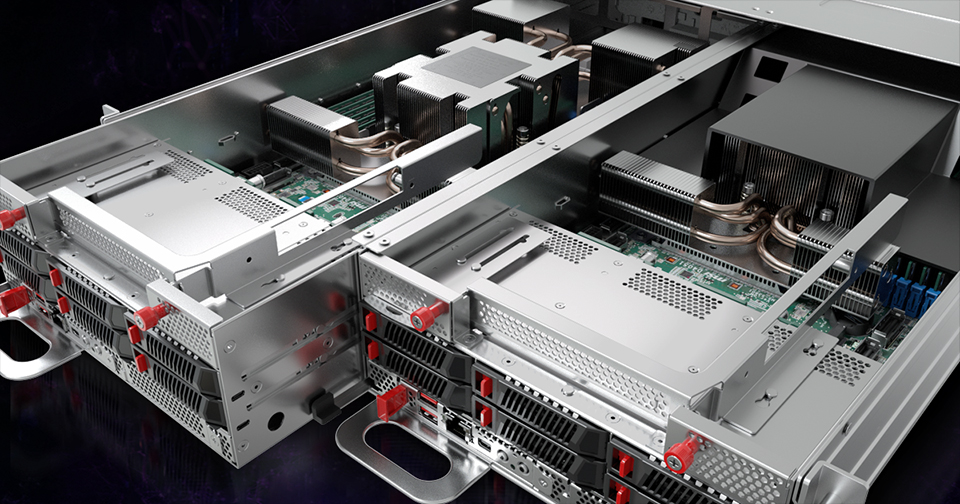
Virtualized environments demand consistent performance across multiple virtual machines. Intel CPUs include built-in virtualization technologies that reduce overhead and improve resource allocation.
These features allow more virtual machines to run on a single server without performance degradation. As VM density increases, applications remain responsive, making Intel CPU-based servers ideal for consolidated enterprise environments.
7. Reliability Features Protect Long-Term Performance
Performance is only valuable when it is consistent. Intel CPU-based servers include reliability, availability, and serviceability features that protect systems from unexpected disruptions.
Error correction, fault isolation, and system monitoring prevent minor issues from escalating into performance-impacting failures. This reliability ensures systems maintain steady performance over time, even in demanding operational conditions.
8. Scalable Design Supports Performance Growth
Business growth places increasing demands on infrastructure. Intel CPU-based servers are designed to scale efficiently, allowing organizations to add processing power, memory, or storage without redesigning their entire system.
This scalability ensures that performance improvements are sustainable. As requirements evolve, systems can grow alongside business needs while maintaining stable performance levels.
Many enterprises invest in Intel Servers because they support long-term expansion without sacrificing efficiency or control.
9. Performance Efficiency Reduces Operational Strain
Intel CPU-based servers deliver higher performance per watt compared to less optimized systems. By completing tasks faster and more efficiently, they reduce total processing time and energy consumption.
This efficiency helps control power and cooling costs while maintaining high output. Over time, performance efficiency becomes a key factor in lowering the total cost of ownership without compromising system capability.
Performance That Aligns With Real Business Needs
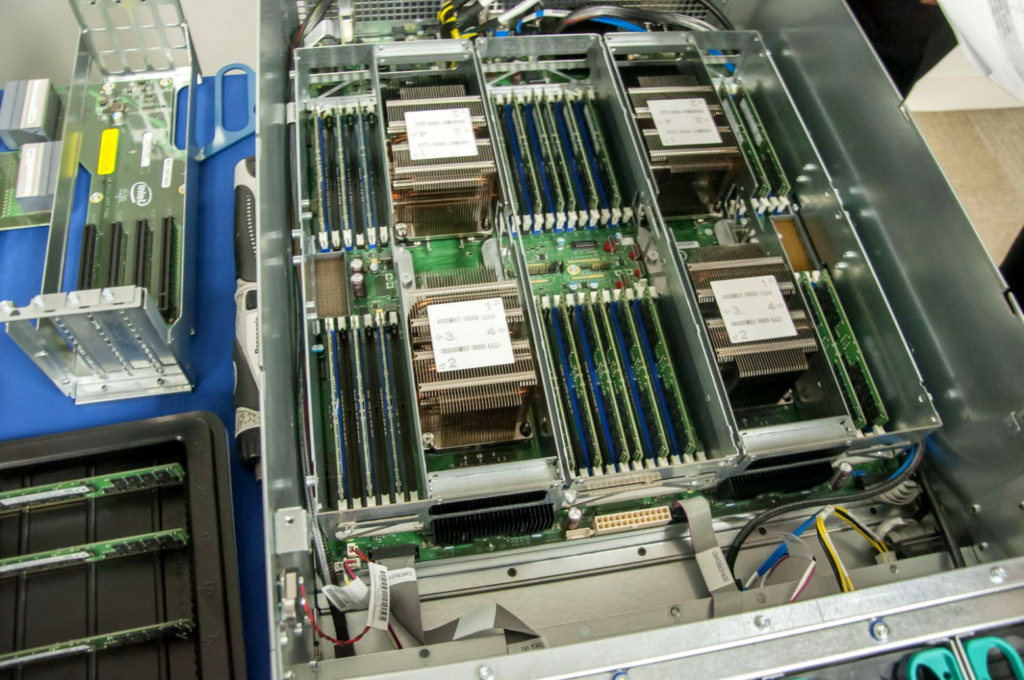
Intel CPU-based servers improve system performance by focusing on how enterprise environments actually operate. Their combination of parallel processing, optimized memory access, fast I/O, and reliable virtualization creates a balanced performance profile that supports modern business demands.
While vendors such as Dell and HPE offer broad server portfolios, performance outcomes often depend on how well systems are configured for real workloads. Generic configurations may meet baseline requirements but can limit long-term efficiency.
Cloud Ninjas differentiates itself by emphasizing performance-aligned server configurations rather than standardized bundles. This approach helps organizations achieve consistent system performance while avoiding unnecessary complexity, ensuring infrastructure investments deliver measurable value over time.